CAT-00032
Small-leaved tamarind
Diploglottis campbellii
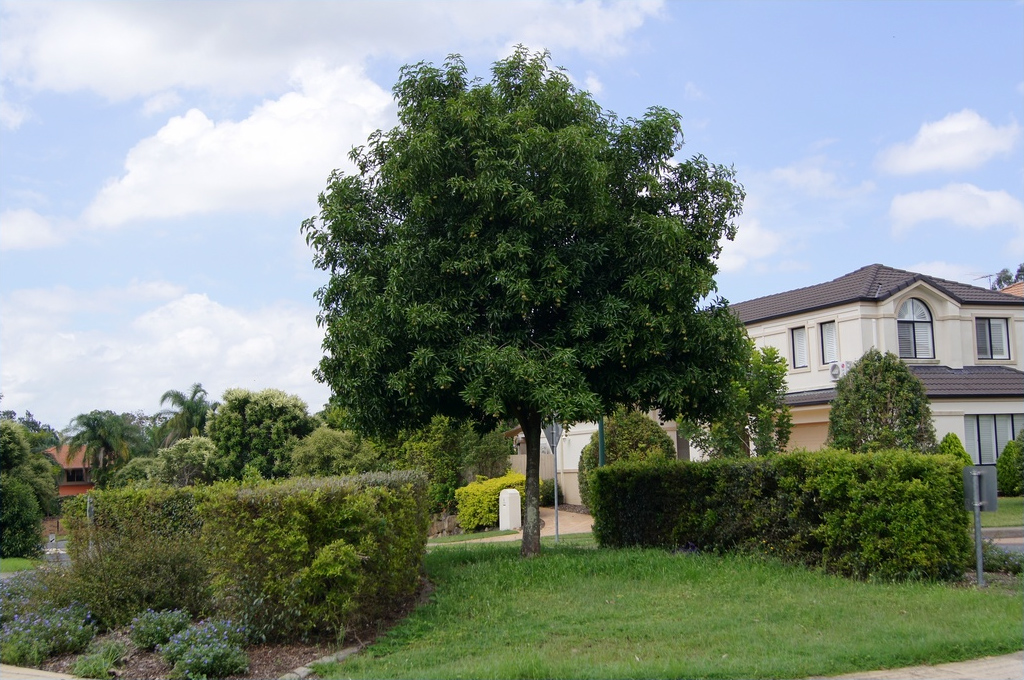
Catalog fields
- Genus
- Diploglottis
- Photo
- Not recorded
- Edible
- Yes
- layout
- single
- Habitat
- Grows in rainforest.
- Published
- Yes
- Food group
- Fruit
- Latin name
- Diploglottis campbellii
- Fruit photo
- Not recorded
- Plant title
- Small-leaved tamarind
- Source URLs
- https://profiles.ala.org.au/opus/foa/profile/Diploglottis%20campbellii | https://tuckerbush.com.au/small-leaved-tamarind-diploglottis-campbellii/ Open source ↗ Open source 2 ↗
- Catalogue ID
- CAT-00032
- Mature width
- 6-8m
- Native range
- Occurs from southeastern Queensland to Richmond River, New South Wales.
- Plant family
- Sapindaceae
- Supplier SKU
- Not recorded
- Listing group
- Nursery-listed / regional edible
- Mature height
- 7-10m
- Native states
- NSW, QLD
- Original list
- No
- Research date
- 10/10/2026
- Research notes
- Profile enriched from botanical/nursery sources. Dimensions are unpruned regional estimates where available; missing measurements remain explicit. Seasons are regional guides and vary with climate, location, cultivar and plant maturity. Drought and cultivation guidance are qualitative garden inferences, not measured ratings.
- Evidence status
- Nursery food-use source; preparation detail review pending
- Fruiting season
- February-April reported by nursery.
- Background photo
- Not recorded
- Edible component
- Aril around seed
- Flowering season
- November-January reported by nursery.
- Brief description
- Rainforest tree with smaller leaflets than native tamarind.
- Drought tolerance
- Low to moderate; irrigate during prolonged dryness.
- Preparation notes
- Use ripe red-orange aril; separate hard seed and capsule.
- Flower description
- Small cream-brown flowers in clusters.
- General cultivation
- General guidance (qualitative): Promising in shelter with moisture; allow a broad crown.
- Botanical description
- Tree to 20 (–30) m high. Branchlets and leaf axes puberulous or glabrous. Leaf rachis 2–10 cm long; leaflets usually 2–4 pairs, the lamina elliptic-oblong or subovate, acute or shortly acuminate, subacute or obtuse and unequal at base, 5–19 cm long, 2–7 cm wide, glossy above, paler and ±dull below, glabrous, midribs puberulent; petiolules 2–5 mm long; petiole 3–8 cm long. Panicles 10–16 cm long; peduncles tomentose. Flowers c. 5 mm diam.; pedicels 3 mm long. Calyx lobes obovate or suborbicular, 2–4 mm long, tomentose. Petals 4 or 5, as long as calyx. Disc lateral, oblong, erect, enclosing stamens on one side. Fruit ±depressed-ovoid or subglobose, 3-sulcate or 1-lobed, 2–7 cm long, up to 7 cm wide, yellow-brown; valves slightly fleshy, drying thin, crustaceous, hairy inside. Seeds granular; aril red.
- Other botanical names
- Not recorded
- Attracts birds and bugs
- Native bees and flies pollinate; fruit arils attract small birds.
- Flora of Australia profile
- https://profiles.ala.org.au/opus/foa/profile/Diploglottis%20campbellii Open source ↗
- Fruit type and description
- Three-lobed capsules containing red-orange edible arils around seeds.
- Flora of Australia citation
- S.T. Reynolds, P.G. Kodela. Diploglottis campbellii. Flora of Australia, Australian Biological Resources Study, Department of Climate Change, Energy, the Environment and Water, Canberra. https://profiles.ala.org.au/opus/foa/profile/Diploglottis%20campbellii (accessed 2026-10-14). Copyright Commonwealth of Australia; CC BY 4.0 (https://creativecommons.org/licenses/by/4.0/). HTML formatting removed; species-level context added where noted. Open source ↗ Open source 2 ↗
- Flora of Australia retrieved
- 14/10/2026