CAT-00111
Kurrajong
Brachychiton populneus
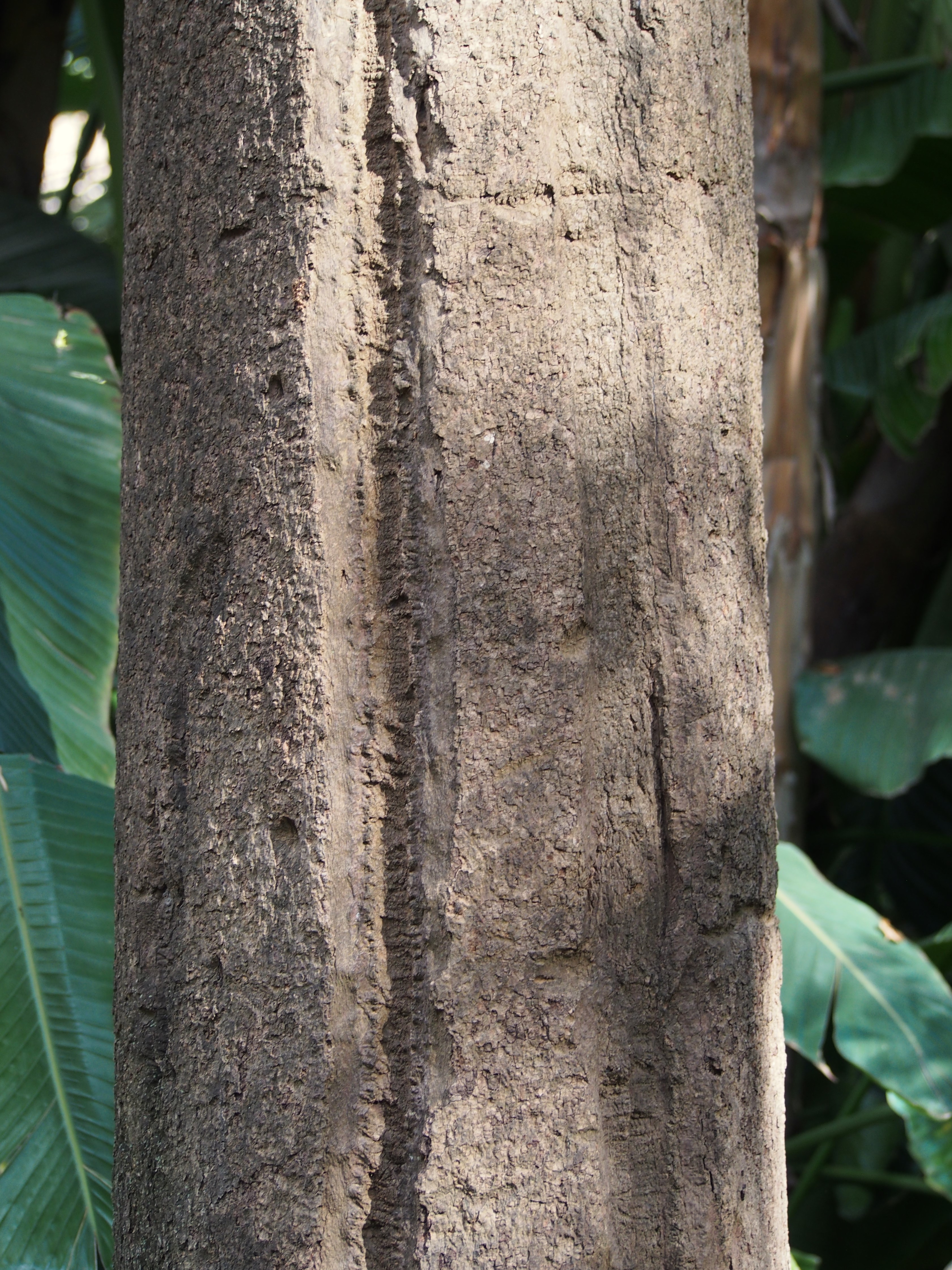
Catalog fields
- Genus
- Brachychiton
- Photo
- Not recorded
- Edible
- Yes
- layout
- single
- Habitat
- Not recorded
- Published
- Yes
- Food group
- Nut / seed
- Latin name
- Brachychiton populneus
- Fruit photo
- Not recorded
- Plant title
- Kurrajong
- Source URLs
- https://www.anbg.gov.au/gnp/interns-2002/brachychiton-populneus.html; https://plantnet.rbgsyd.nsw.gov.au/cgi-bin/NSWfl.pl?lvl=sp&name=Brachychiton~populneus&page=nswfl Open source ↗ Open source 2 ↗
- Catalogue ID
- CAT-00111
- Mature width
- Not confirmed; allow spread appropriate to growth habit
- Native range
- Eastern Australian woodland and forest, especially inland slopes.
- Plant family
- Malvaceae
- Supplier SKU
- Not recorded
- Listing group
- Regional / traditional food plant
- Mature height
- Up to 20 m
- Native states
- NSW, QLD, VIC
- Original list
- No
- Research date
- 10/10/2026
- Research notes
- Profile enriched from botanical/nursery sources. Dimensions are unpruned regional estimates where available; missing measurements remain explicit. Seasons are regional guides and vary with climate, location, cultivar and plant maturity. Drought and cultivation guidance are qualitative garden inferences, not measured ratings.
- Evidence status
- Published food use; preparation detail review pending
- Fruiting season
- Follicles follow flowers
- Background photo
- Not recorded
- Edible component
- Cleaned roasted seeds
- Flowering season
- Species-specific period not yet confirmed.
- Brief description
- Evergreen shade tree with variable lobed leaves.
- Drought tolerance
- High once established.
- Preparation notes
- Seeds need irritating hairs removed and verified roasting/preparation; use gloves when handling hairy follicles.
- Flower description
- Cream bell-shaped flowers, often with reddish markings inside.
- General cultivation
- General guidance (qualitative): Good spacious-site prospect; remove irritating seed hairs with verified handling before food use.
- Botanical description
- Not recorded
- Other botanical names
- Not recorded
- Attracts birds and bugs
- Native bees and insects visit flowers; canopy shelters birds.
- Flora of Australia profile
- Not recorded
- Fruit type and description
- Woody follicles containing seeds surrounded by irritating hairs.
- Flora of Australia citation
- Not recorded
- Flora of Australia retrieved
- Not recorded