CAT-00125
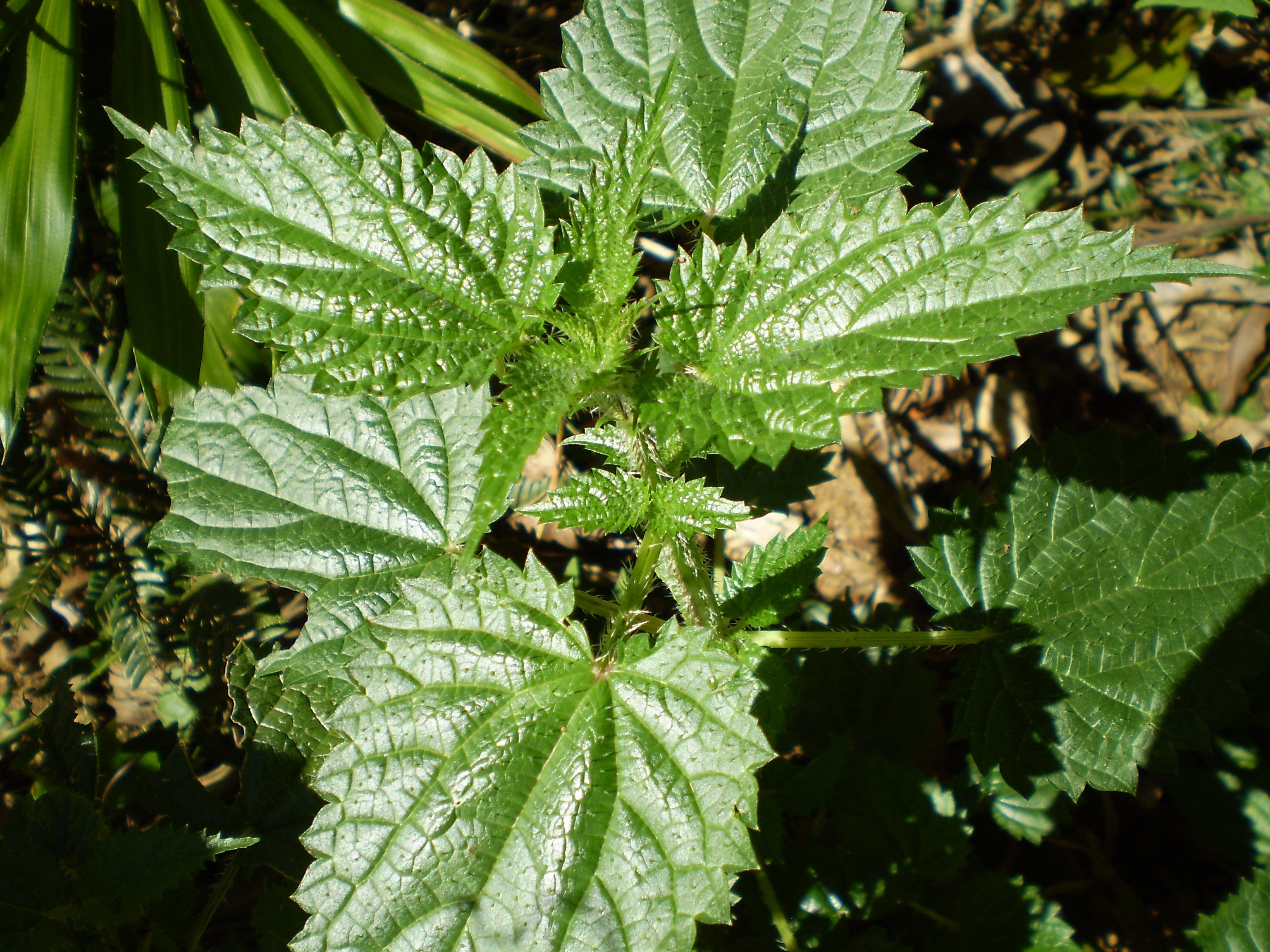
Scrub nettle
Urtica incisa
Catalog fields
- Genus
- Urtica
- Photo
- Not recorded
- Edible
- Yes
- layout
- single
- Habitat
- Frequent in wet, cool and often shady places, especially near watercourses and in wet highland areas in warmer latitudes; found in rainforest (usually on margins and in clearings), eucalypt woodland and wet open forest, fern gullies, scrub, riparian vegetation, wetlands, sedgeland, grassy areas; sometimes a weed in disturbed sites.
- Published
- Yes
- Food group
- Leaf vegetable
- Latin name
- Urtica incisa
- Fruit photo
- Not recorded
- Plant title
- Scrub nettle
- Source URLs
- https://profiles.ala.org.au/opus/foa/profile/Urtica%20incisa | https://anpsa.org.au/wp-content/uploads/checklist1991.pdf; https://plantnet.rbgsyd.nsw.gov.au/cgi-bin/NSWfl.pl?lvl=sp&name=Urtica~incisa&page=nswfl; https://anpsa.org.au/wp-content/uploads/AFPSG57.pdf; https://powo.science.kew.org/taxon/urn%3Alsid%3Aipni.org%3Anames%3A857650-1 Open source ↗ Open source 2 ↗ Open source 3 ↗ Open source 4 ↗ Open source 5 ↗
- Catalogue ID
- CAT-00125
- Mature width
- Not confirmed; allow spread appropriate to growth habit
- Native range
- Widespread in temperate Western Australia, South Australia, Queensland, New South Wales, Australian Capital Territory, Victoria and Tasmania.
- Plant family
- Urticaceae
- Supplier SKU
- Not recorded
- Listing group
- Regional / traditional food plant
- Mature height
- Up to 1 m
- Native states
- NSW, QLD, SA, TAS, VIC, WA
- Original list
- No
- Research date
- 10/10/2026
- Research notes
- Do not use this provisional entry as an eating guide. Profile enriched from botanical/nursery sources. Dimensions are unpruned regional estimates where available; missing measurements remain explicit. Seasons are regional guides and vary with climate, location, cultivar and plant maturity. Drought and cultivation guidance are qualitative garden inferences, not measured ratings.
- Evidence status
- Provisional food-use report; confirm before use
- Fruiting season
- After flowering.
- Background photo
- Not recorded
- Edible component
- Cooked young leaves
- Flowering season
- Much of the year.
- Brief description
- Perennial nettle with toothed leaves and stinging hairs.
- Drought tolerance
- Low; prefers moisture.
- Preparation notes
- Only use correctly identified young leaves with verified thorough cooking; stinging hairs require careful handling.
- Flower description
- Tiny, inconspicuous flowers in leaf-axil clusters.
- General cultivation
- General guidance (qualitative): Possible moist shaded bed or contained pot; avoid accidental contact and cook correctly.
- Botanical description
- Monoecious or dioecious perennial herb to 1.5 (–2) m high; leaves and stems (except for very young tips) glabrous or nearly so between scattered stinging hairs. Leaves: lamina triangular to ovate (–broadly ovate), lanceolate or ± oblong, regularly broadly dentate to incised, acute to acuminate or caudate apex, cuneate, truncate or cordate at base, (3.5–) 5–15 cm long, (1–) 3–6 (–8) cm wide, discolorous; lateral veins 4 or 5 pairs, 2 pairs from base, prominent, extending ⅔ the lamina length, the others short, near lamina apex; petiole (1–) 4–7 cm long, shorter to longer than lamina (usually more than half as long as lamina); stipules 5–15 mm long [2–4 mm, Entwisle (1996)]. Inflorescences often paired, paniculate, unisexual, longer than petiole; male inflorescences sparsely branched, reduced to interrupted spikes. Flowers pedicellate, c. 1.5 mm long, c. 1 mm wide, glabrous. Male flowers: pistillode small. Female flowers: ovary ovoid. Achenes ovoid, smooth, c. 2 mm long.
- Other botanical names
- Not recorded
- Attracts birds and bugs
- Native bees and insects visit flowers; canopy shelters birds.
- Flora of Australia profile
- https://profiles.ala.org.au/opus/foa/profile/Urtica%20incisa Open source ↗
- Fruit type and description
- Small dry one-seeded fruits; cooked young leaves are the recorded food.
- Flora of Australia citation
- W.-L. Chew, P.G. Kodela. Urtica incisa. Flora of Australia, Australian Biological Resources Study, Department of Climate Change, Energy, the Environment and Water, Canberra. https://profiles.ala.org.au/opus/foa/profile/Urtica%20incisa (accessed 2026-10-15). Copyright Commonwealth of Australia; CC BY 4.0 (https://creativecommons.org/licenses/by/4.0/). HTML formatting removed; species-level context added where noted. Open source ↗ Open source 2 ↗
- Flora of Australia retrieved
- 15/10/2026