CAT-00126
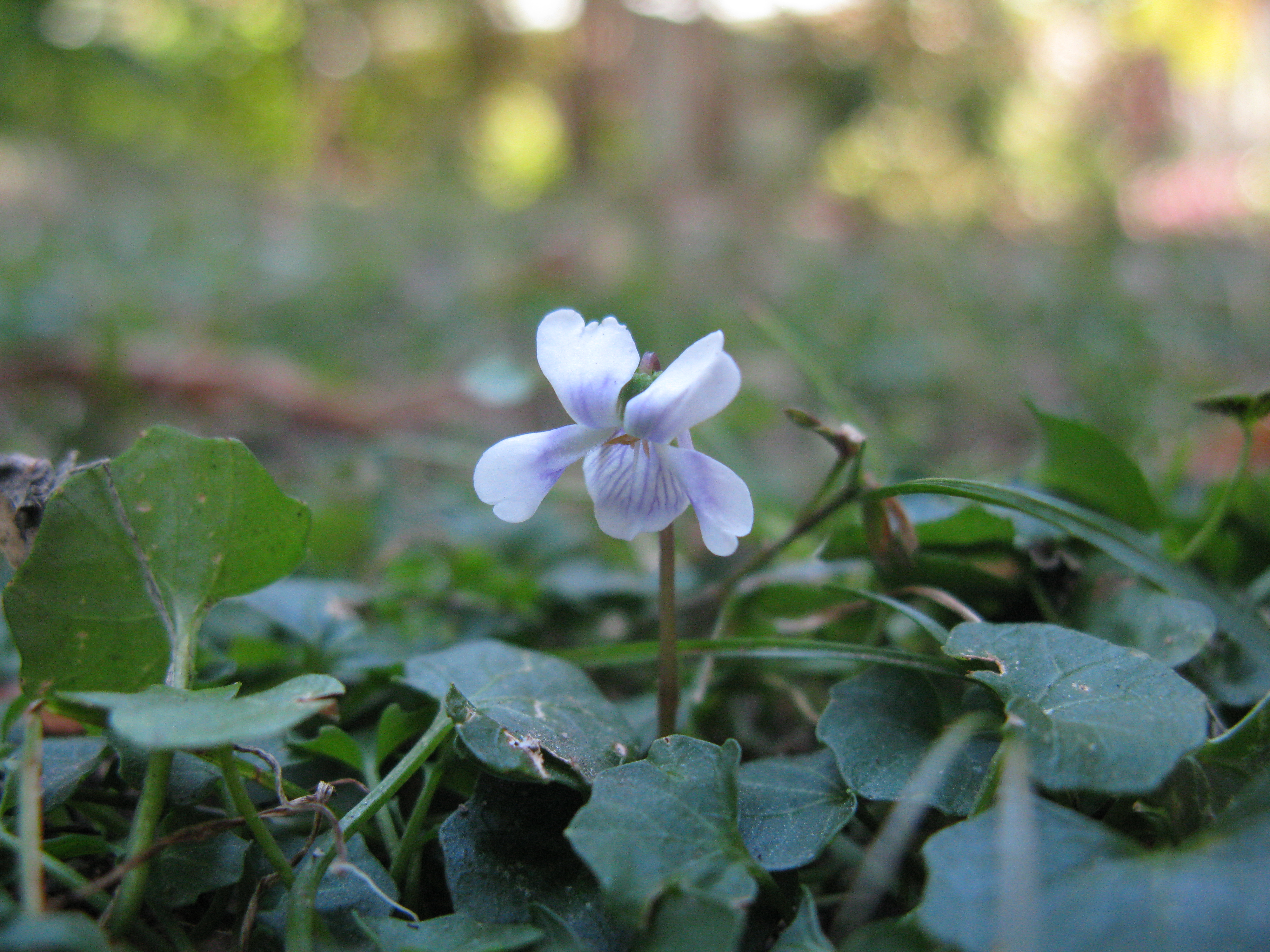
Native violet
Viola hederacea
Catalog fields
- Genus
- Viola
- Photo
- Not recorded
- Edible
- Yes
- layout
- single
- Habitat
- Occurs in moist shaded places from sea level to the subalps.
- Published
- Yes
- Food group
- Flower
- Latin name
- Viola hederacea
- Fruit photo
- Not recorded
- Plant title
- Native violet
- Source URLs
- https://profiles.ala.org.au/opus/foa/profile/Viola%20hederacea | https://mrccc.org.au/wp-content/uploads/2013/10/Edible-and-useful-native-plants.pdf; https://plantnet.rbgsyd.nsw.gov.au/cgi-bin/NSWfl.pl?lvl=sp&name=Viola~hederacea&page=nswfl; https://powo.science.kew.org/taxon/urn%3Alsid%3Aipni.org%3Anames%3A125419-3 Open source ↗ Open source 2 ↗ Open source 3 ↗ Open source 4 ↗
- Catalogue ID
- CAT-00126
- Mature width
- Spreading colony; exact width not confirmed
- Native range
- Widespread in eastern and southern Australia, from the Mount Lofty Ranges in South Australia, through much of Victoria and Tasmania to the Northern Tablelands in New South Wales, including the Australian Capital Territory. [The distribution map based on the Australasian Virtual Herbarium (is likely to include herbarium specimen records of Viola hederacea s.l. and subspecies now treated as species - editorial note, 24 July 2020.]
- Plant family
- Violaceae
- Supplier SKU
- Not recorded
- Listing group
- Regional / traditional food plant
- Mature height
- Flower stalks to about 0.1 m
- Native states
- NSW, QLD, SA, TAS, VIC
- Original list
- No
- Research date
- 10/10/2026
- Research notes
- Profile enriched from botanical/nursery sources. Dimensions are unpruned regional estimates where available; missing measurements remain explicit. Seasons are regional guides and vary with climate, location, cultivar and plant maturity. Drought and cultivation guidance are qualitative garden inferences, not measured ratings.
- Evidence status
- Published food use; preparation detail review pending
- Fruiting season
- Capsules after flowering.
- Background photo
- Not recorded
- Edible component
- Flowers
- Flowering season
- Spring-summer.
- Brief description
- Low perennial violet with white-mauve flowers and spreading growth.
- Drought tolerance
- Low; watering needed for good groundcover.
- Preparation notes
- Confirm species identification, the specified edible part, ripeness and species-specific preparation before use.
- Flower description
- Small white and mauve violet flowers on slender stalks.
- General cultivation
- General guidance (qualitative): Good moist shaded-site prospect; nursery violets may be a different closely related species.
- Botanical description
- Perennial herb; stems contracted, erect; stolons well-developed. Leaves tufted, glabrous or with scattered hairs above; lamina reniform to semicircular or rhomboid, 3–35 mm long, 5–50 mm wide, apex obtuse, margins entire to scalloped or broadly toothed, base broadly cordate, truncate or somewhat cuneate; petiole mostly 2–8 cm long; stipules free, linear-lanceolate, 2–5 (–8) mm long, glandular-denticulate. Flower-scapes 3–17 cm long; bracteoles near middle. Sepals lanceolate, 2.5–6 mm long, acute, basal appendages small. Petals 5–10 (–12) mm long, 2-coloured, mauve-violet near base, grading to white in upper third; anterior petal obovate, mostly 5–7 mm wide, usually emarginate, without a spur; lateral petals entire, twisted through to c. 90 degrees, bearded. Capsule ovoid, 4–6 mm long. Seeds ovoid, 1.2–2 mm long, dull, cream, brown or black, often mottled.
- Other botanical names
- Not recorded
- Attracts birds and bugs
- Native bees and insects visit flowers; canopy shelters birds.
- Flora of Australia profile
- https://profiles.ala.org.au/opus/foa/profile/Viola%20hederacea Open source ↗
- Fruit type and description
- Small dry capsules; flowers and specified leaves are recorded food parts.
- Flora of Australia citation
- A. Messina. Viola hederacea. Flora of Australia, Australian Biological Resources Study, Department of Climate Change, Energy, the Environment and Water, Canberra. https://profiles.ala.org.au/opus/foa/profile/Viola%20hederacea (accessed 2026-10-15). Copyright Commonwealth of Australia; CC BY 4.0 (https://creativecommons.org/licenses/by/4.0/). HTML formatting removed; species-level context added where noted. Open source ↗ Open source 2 ↗
- Flora of Australia retrieved
- 15/10/2026