CAT-00123
Bulrush
Typha orientalis
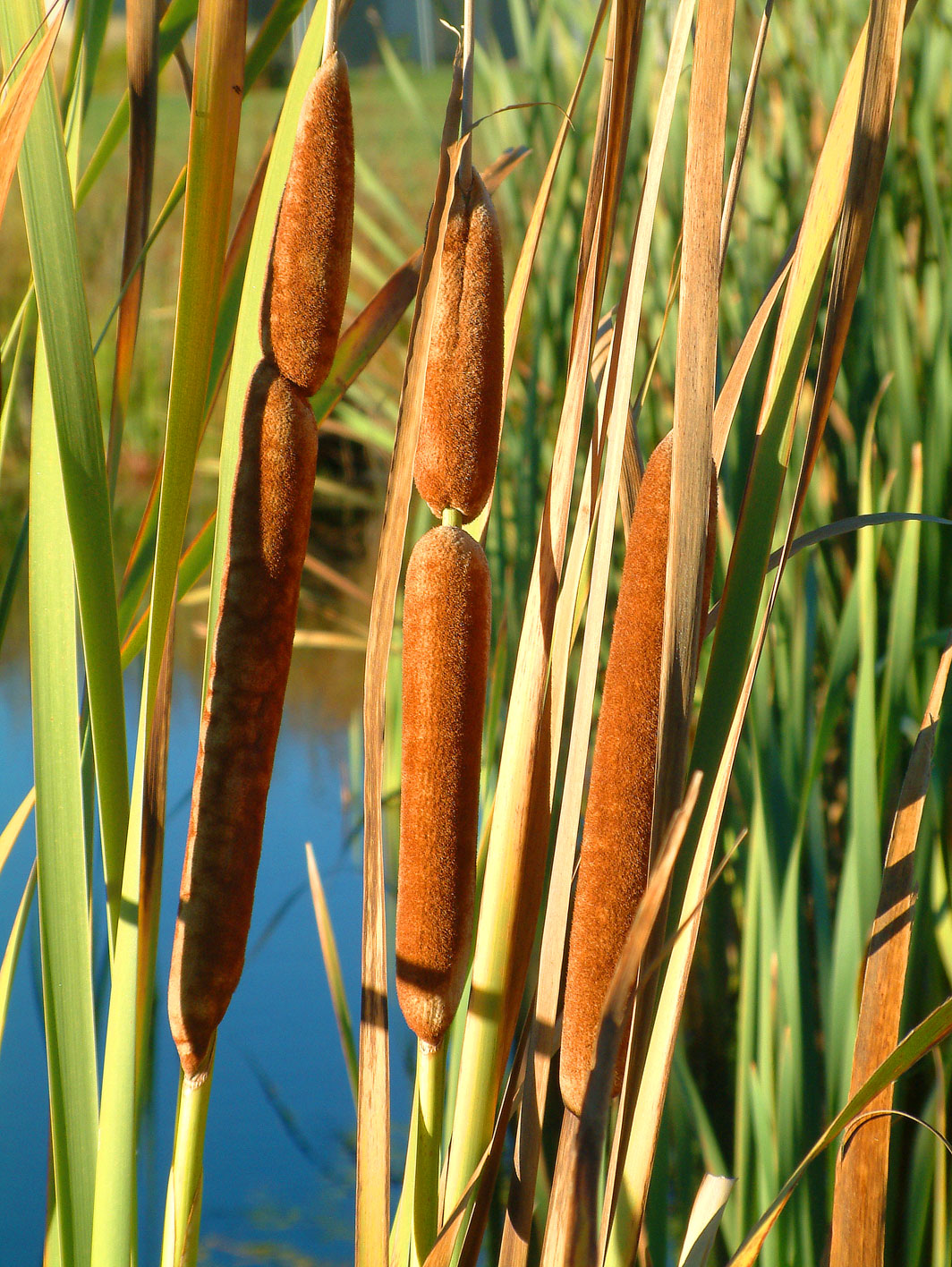
Catalog fields
- Genus
- Typha
- Photo
- photos/CAT-00123-A.jpg
- Edible
- Yes
- layout
- single
- Habitat
- Grows in swamps, lake and stream margins and irrigation channels. On Norfolk Island forming colonies in shallow water or swampy ground; possibly an early introduction (Green 1994).
- Published
- Yes
- Food group
- Vegetable
- Latin name
- Typha orientalis
- Fruit photo
- photos/CAT-00123-F.jpg
- Plant title
- Bulrush
- Source URLs
- https://profiles.ala.org.au/opus/foa/profile/Typha%20orientalis | https://www.anbg.gov.au/apu/plants/typh.html; https://plantnet.rbgsyd.nsw.gov.au/cgi-bin/NSWfl.pl?lvl=sp&name=Typha~orientalis&page=nswfl Open source ↗ Open source 2 ↗ Open source 3 ↗
- Catalogue ID
- CAT-00123
- Mature width
- Not confirmed; allow spread appropriate to growth habit
- Native range
- Occurs in all Australian States and Territories; common in SE Australia. Also in Norfolk Island, New Zealand and Malesia.
- Plant family
- Typhaceae
- Supplier SKU
- Not recorded
- Listing group
- Regional / traditional food plant
- Mature height
- Up to 4 m
- Native states
- NSW, NT, QLD, SA, TAS, VIC, WA
- Original list
- No
- Research date
- 10/10/2026
- Research notes
- Profile enriched from botanical/nursery sources. Dimensions are unpruned regional estimates where available; missing measurements remain explicit. Seasons are regional guides and vary with climate, location, cultivar and plant maturity. Drought and cultivation guidance are qualitative garden inferences, not measured ratings.
- Evidence status
- Published food use; preparation detail review pending
- Fruiting season
- After flowers.
- Background photo
- photos/CAT-00123-B.jpg
- Edible component
- Cooked rhizomes and young shoots
- Flowering season
- Warmer months.
- Brief description
- Tall emergent wetland perennial with spreading rhizomes and brown flower spikes.
- Drought tolerance
- None for dry soil; wetland plant.
- Preparation notes
- Species-specific identification; cook rhizome starch. Aquatic plants require clean-water cultivation.
- Flower description
- Tiny flowers in separate male and female sections of the spike; the female section forms the brown sausage-like head.
- General cultivation
- General guidance (qualitative): Contained pond trial only; spreads strongly and may outgrow a small garden pond.
- Botanical description
- Flowering stems usually to 3 m high. Leaves usually bluish or grey-green; sheath of uppermost 2–4 leaves usually distinctly auriculate; lamina to 2 m long, 5–15 mm wide. Male and female inflorescences contiguous or to 3.5 cm apart, rarely to 5 cm. Male inflorescences usually 10–30 cm long, 0.7–1.4 cm diam.; pollen shed as single grains. Female inflorescences 8–30 cm long, 1–3 cm diam., chestnut-brown; floral bracts absent or few, narrowly spathulate, usually 3 or 4 cells across. Stigma lanceolate or narrowly obovate, often folded longitudinally. [See also Green (1994) for Norfolk Island.]
- Other botanical names
- Not recorded
- Attracts birds and bugs
- Native bees and insects visit flowers; canopy shelters birds.
- Flora of Australia profile
- https://profiles.ala.org.au/opus/foa/profile/Typha%20orientalis Open source ↗
- Fruit type and description
- Tiny wind-dispersed dry fruits with hairs; rhizomes and other specified parts are traditional foods.
- Flora of Australia citation
- B.G. Briggs. Typha orientalis. Flora of Australia, Australian Biological Resources Study, Department of Climate Change, Energy, the Environment and Water, Canberra. https://profiles.ala.org.au/opus/foa/profile/Typha%20orientalis (accessed 2026-10-15). Copyright Commonwealth of Australia; CC BY 4.0 (https://creativecommons.org/licenses/by/4.0/). HTML formatting removed; species-level context added where noted. Open source ↗ Open source 2 ↗
- Flora of Australia retrieved
- 15/10/2026